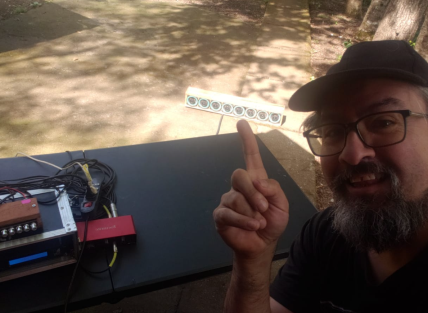
Continuing with rigour tests — the day's second half.
We will show what happens with the directionality of one driver.
One driver, 0° and 35°.
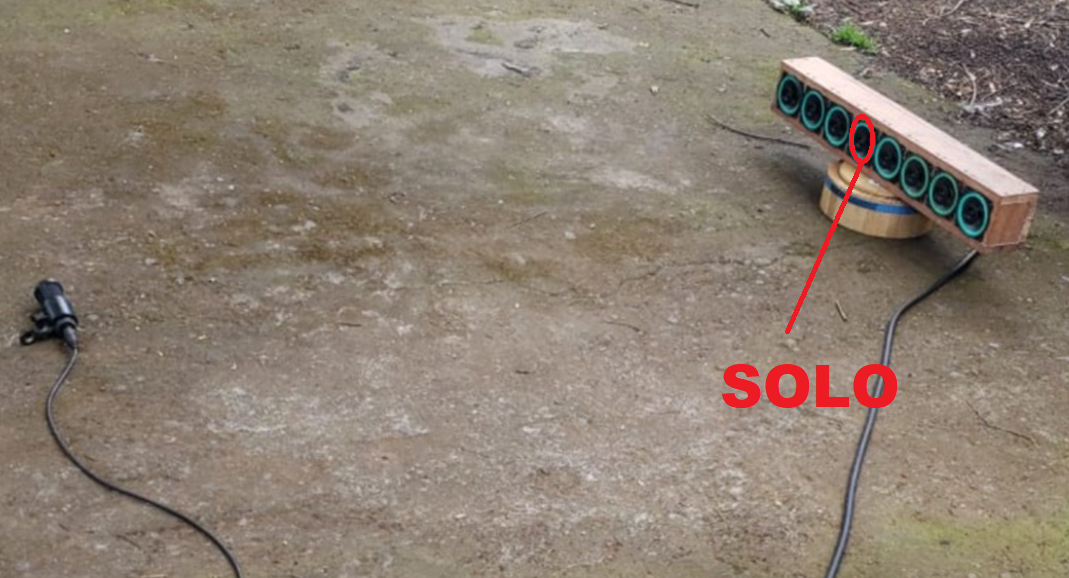
0° — on axis.
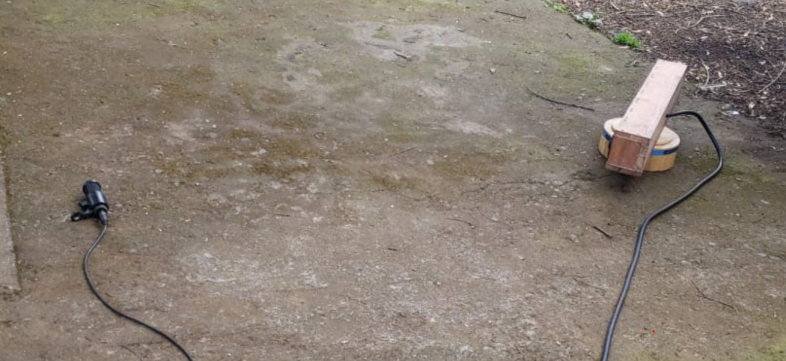
35° — off axis.
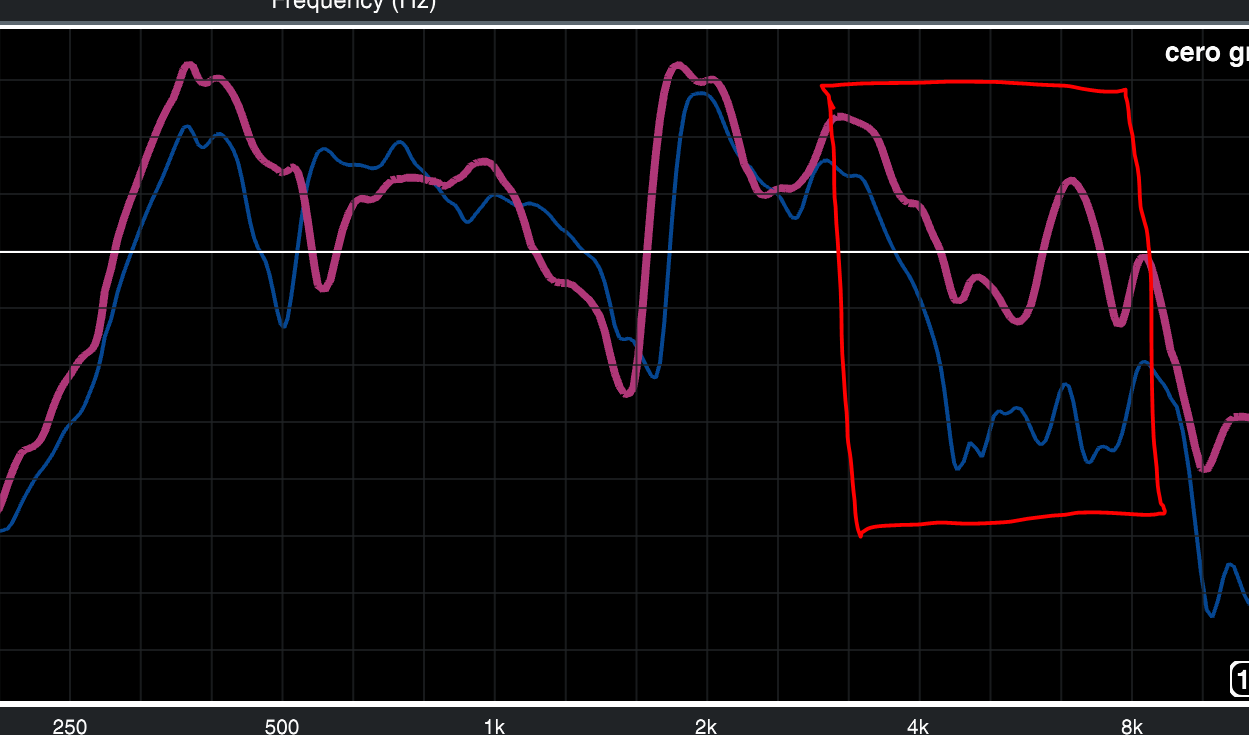
Comparison between the two — one driver alone.
And we can see the importance of this: too-directive frontal drivers are not friends of strong beam steering. Any algorithm, of course, is tied to the directionality of the individual drivers.
Now with the cone pointing to the sky.
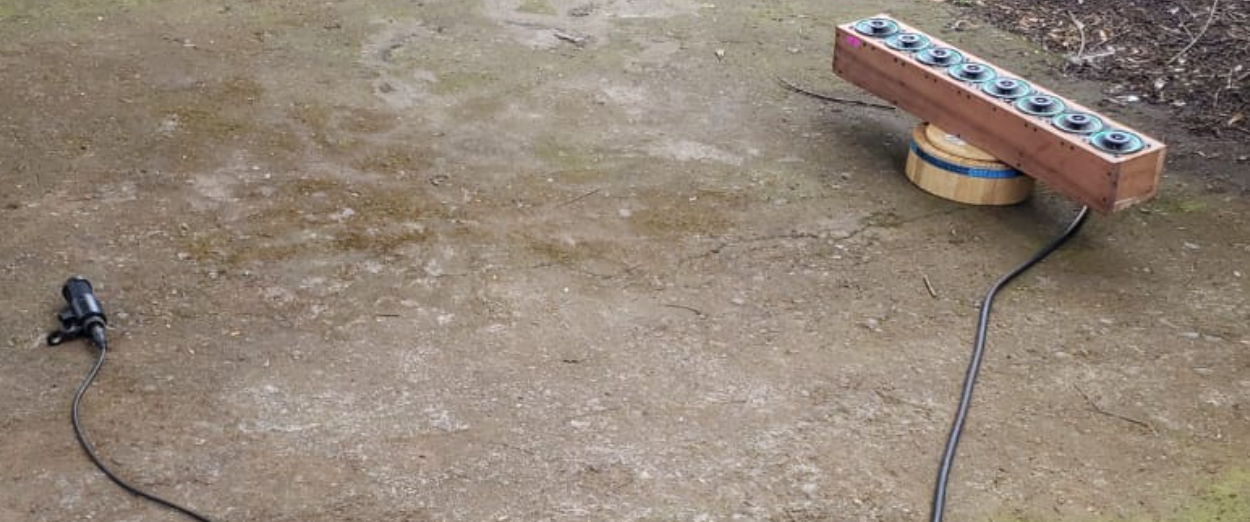
Cone pointing up, mic at 0° (side). Single driver.
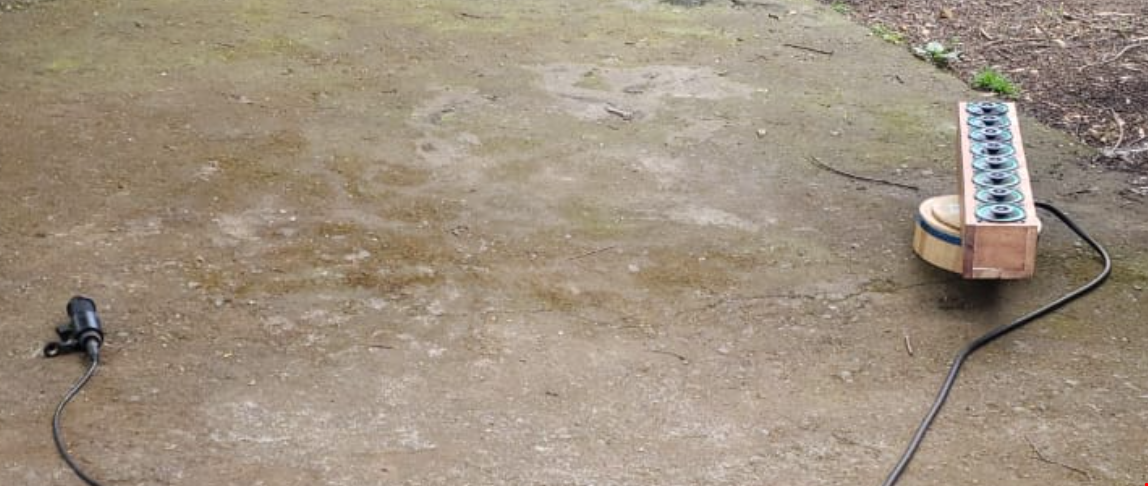
Same cone up, mic at 35°.
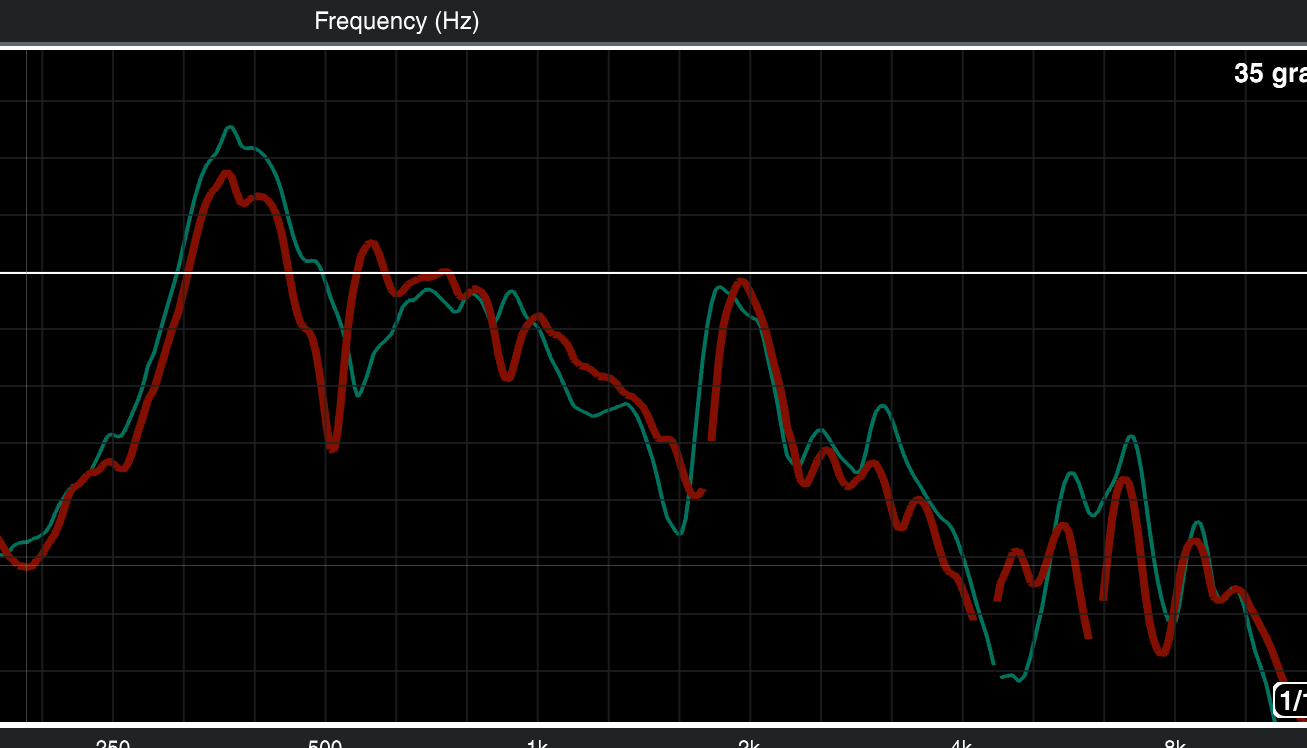
Comparison between those two — much more alike. As expected. It really is a cool idea to simulate omni sources. We don't care about the lack of highs in general, but about consistency across angles — including mid-highs — being equal.
You can control the places in which you can influence.— Sebastián's saying on 3D audio wave synthesis
About the directionality of the individual drivers — here, on these four measurements, it was just the central driver. We have several points to make.
My saying on 3D audio wave synthesis is: "You can control the places in which you can influence". From a certain time I have asked myself if one can get the most omnidirectional drivers — high in frequency — to be able to throw controlled, many-degree coverage lobes or areas. (Not so high. For one year, let's do the regular vocal range. Mid-ish.)
In the other way, Danley has always been about coverage control. But in this case, the control goes in the "digital" part — a.k.a. the FIRs.
Tom's 3D paraline on the horizon.
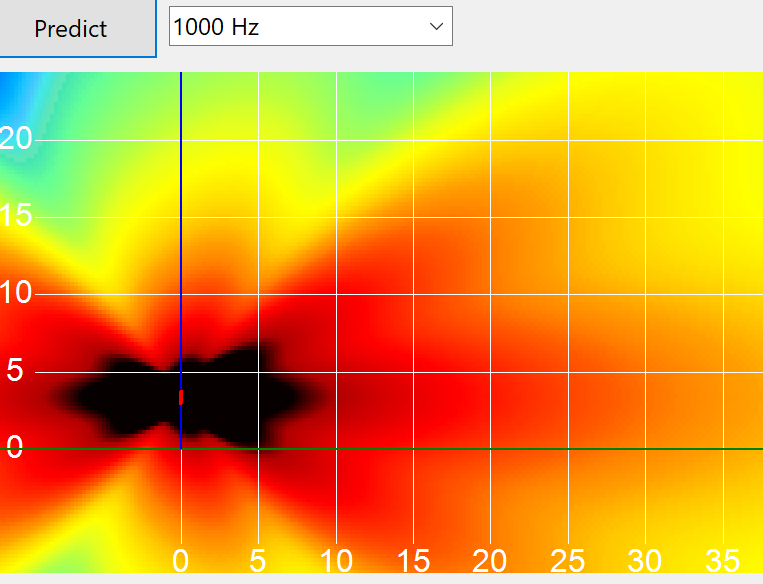
Very importantly — Tom is working on a 3D paraline that promises a freaking lot for "opened" approaches like this. And: it has the best sounding to hear, the softest. If we think horizontal — imagine consumer products, car audio, the under-TV bar.
Loading a very directive ray at 35°.
Now we are loading a very directive ray at 35° — eight drivers working together, eight FIRs.
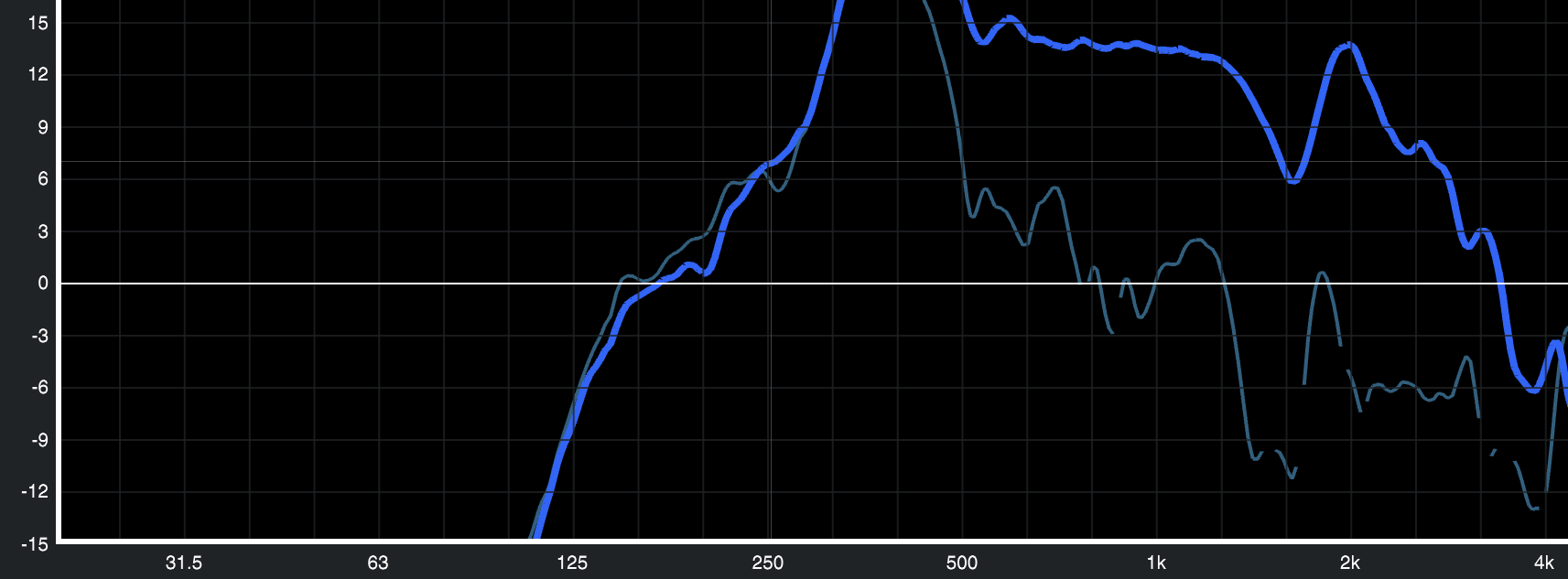
Dark green is 0°. Blue is 35° off axis. Eight drivers. Eight FIRs.
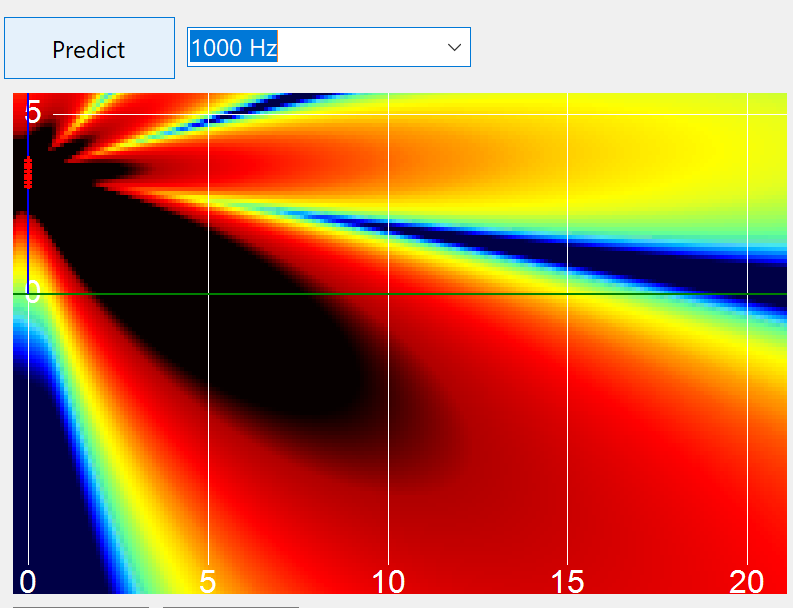
Another simulation view of the same steered ray.
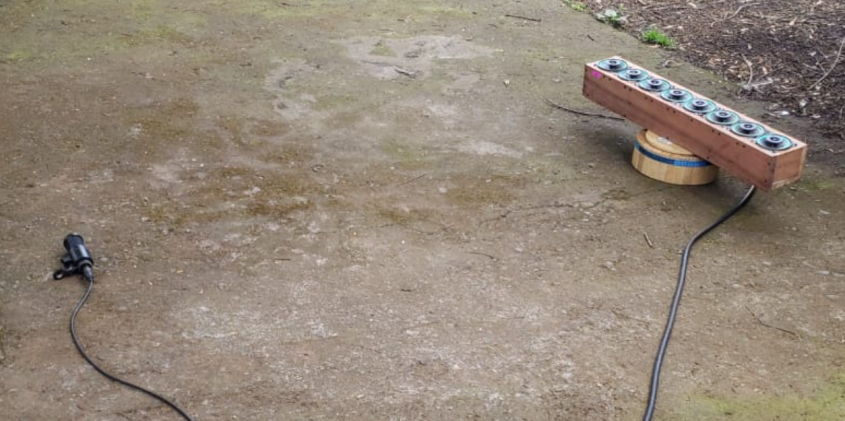
Green — 0°.
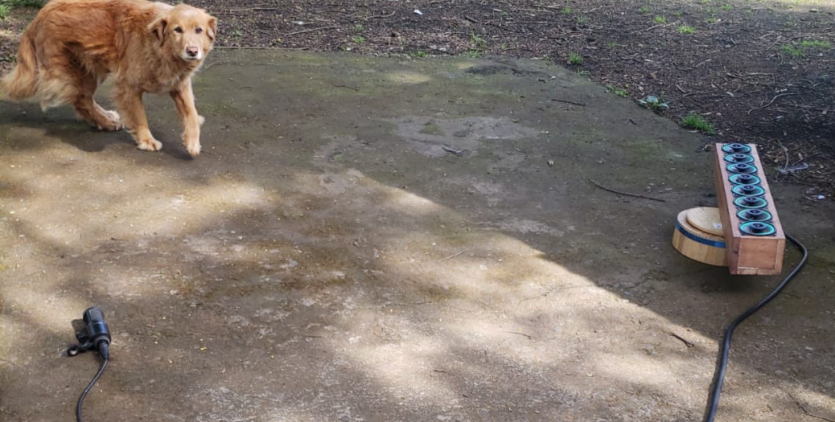
Blue — 35° off axis. Measured, confirmed.
Cool reminder — red/green is natural 0° vs 35°. Right is the algorithmic case, with blue at 35°. Left: one driver. Right: eight.
End-fired.
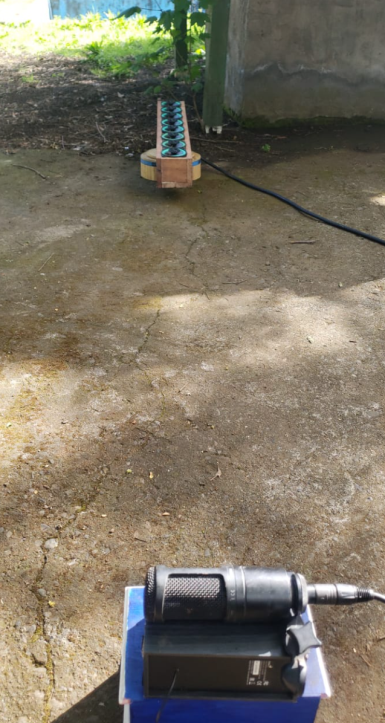
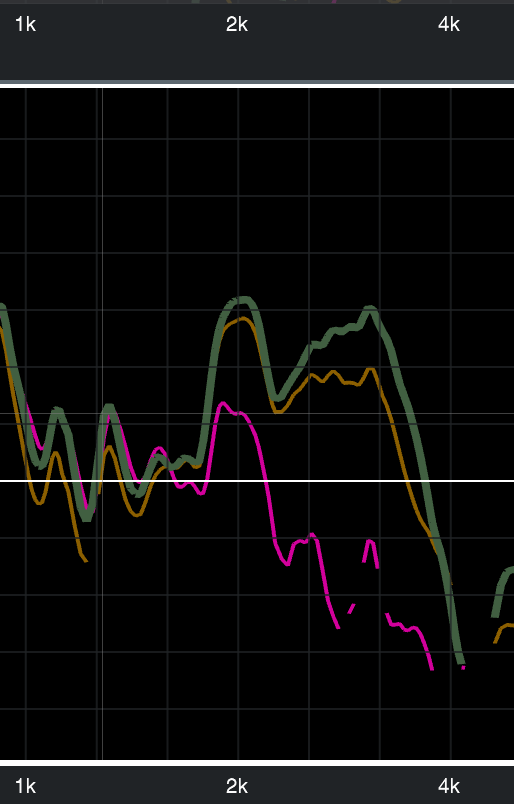
Green — 0°. Orange — 10°. Pink — 20°. With −18 dB of difference between on and off axis. Very directional on their own separation. This is 4" centre-to-centre.
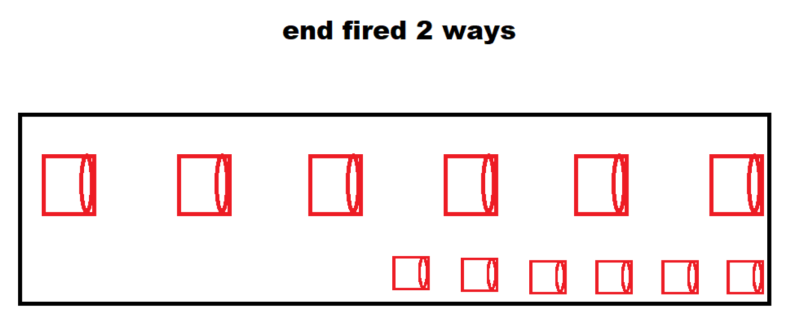
Another look at end-fired, across angles.

Tom has tested with 8" centre-to-centre, and I have also given the idea of a 2-way end-fired.
Of course, in this case, the frequency of interest is not the useful one in reality — but a clear proof of concept. I don't have 8 separated boxes. These days I'll study with 5 elements or so.
Thanks. If one is reading this, say hello.
— Seb.